
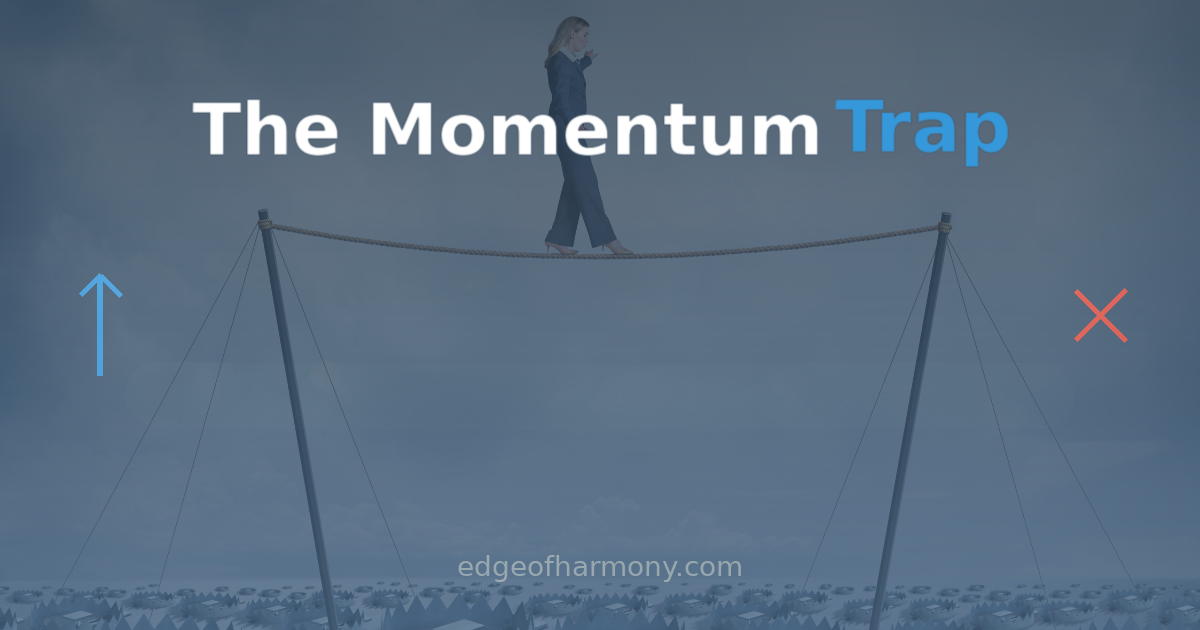
You finally got traction. That LinkedIn post went viral. The first sales are coming in. Your inbox has actual inquiries from people you don’t know. After months of shouting into the void, the market is finally listening.
So naturally, you consider cutting your marketing budget.
It sounds absurd when you say it out loud. But this scenario plays out in startups and small businesses every single week. The reasoning seems logical: revenue is finally flowing, expenses are tight, and that monthly retainer for your fractional CMO or marketing consultant suddenly feels negotiable. After all, the marketing is working now. Can’t we just coast for a while?
Understanding the Real Cost of Going Dark
When founders see those first revenue dollars, they’re looking at transactions. What they’re missing is the invisible pipeline those transactions came from, and more importantly, the pipeline that’s currently being built.
That viral post didn’t happen by accident. It was the culmination of weeks or months of foundational work: audience research, message refinement, strategic positioning, and consistent presence. You created the conditions for a breakthrough moment. But here’s the part most founders don’t realize: you’re looking at two different groups of people.
Group One bought immediately. They had the problem, the budget, and the timing. They represent maybe 3-5% of everyone who saw your content.
Group Two is interested but not ready. They bookmarked your site. They followed you on LinkedIn. They mentioned you in their Slack channel. They represent the other 95%, and they’re worth far more than the revenue you just generated. But they need nurturing. They need multiple touchpoints. They need to see that you’re consistent, credible, and here to stay.
When you go dark right after your breakthrough moment, Group Two disappears. Not because they chose a competitor, but because they forgot about you. The algorithm moves on. Their attention shifts. And all the equity you built with that viral moment evaporates.
The Compounding Nature of Marketing Investment
Great marketing doesn’t work like a light switch. It works like compound interest. Every piece of content builds on the last. Every engagement increases your visibility. Every conversion teaches you something about your market.
In the first three months of a marketing engagement, you’re primarily investing in foundation: understanding your ideal customer, clarifying your message, identifying the right channels, and building credibility. The ROI is minimal because you’re building infrastructure.
Months four through six are when things get interesting. You start seeing patterns. You know which messages resonate. Your content gets smarter because you’re learning from real engagement. This is when most startups experience their first viral moment, their first unexpected inbound lead, or their first “how did you find us?” conversation that traces back to content marketing.
Months seven through twelve are when marketing becomes a legitimate demand generation engine. You have enough data to optimize. Your audience knows who you are. You’re being recommended in buying conversations you’re not even part of. This is when the investment starts returning multiples.
What “Small” Actually Buys You
Most early-stage companies don’t need a $50,000 monthly marketing budget. They need strategic, consistent execution that builds over time. This is exactly where fractional CMO services create disproportionate value.
For a monthly investment that’s typically less than a single full-time junior marketing hire, you get:
- Strategic oversight from someone who has built demand generation engines before and knows what good looks like at each stage of growth
- Consistent execution across the channels that matter for your specific business, whether that’s content marketing, LinkedIn presence, community building, or partnership development
- Message refinement based on real market feedback, so every piece of content gets progressively more effective
- Pipeline visibility that shows you not just who bought this month, but who’s warming up for next quarter
- The ability to capitalize on momentum when it happens, rather than watching it dissipate while you figure out what to do next
The Airplane Analogy Every Founder Needs to Hear
Building marketing momentum is like getting a plane off the ground. The most expensive part, the part that requires the most energy and fuel, is takeoff. Once you’re at cruising altitude, maintaining momentum is relatively efficient.
But if you shut down the engines right as the wheels leave the runway, you don’t get to coast. You crash. And the next time you want to fly, you’re paying the full cost of takeoff again.
Your first viral post, your first month of positive pipeline, your first cluster of inbound leads—these aren’t signs that the marketing is done. They’re signs that the plane is finally airborne. This is exactly when you need to maintain thrust, not cut the engines.
Building a Demand Generation Engine, Not Running Campaigns
The difference between a campaign and a demand generation engine is sustainability. Campaigns are projects with start and end dates. Demand generation engines are systems that produce predictable pipeline.
When you invest in consistent marketing strategy, you’re building:
- Content libraries that continue working for you long after they’re published
- Audience relationships that compound with every valuable interaction
- Brand recognition that makes every subsequent piece of marketing more effective
- Market intelligence that helps you stay ahead of shifts in buyer behavior
- Process and playbooks that make marketing progressively more efficient over time
These assets don’t depreciate—they appreciate. But only if you give them time to mature.
The Numbers That Matter More Than This Month’s Revenue
When evaluating marketing investment, most founders look at immediate attribution: this campaign generated X leads which turned into Y revenue. But sustainable businesses are built on leading indicators, not lagging ones.
Better metrics to watch:
- Conversation velocity: How quickly are people moving from awareness to consideration to decision?
- Inbound quality: What percentage of your conversations are with people who already understand your value?
- Referral frequency: How often do prospects mention they heard about you from someone else?
- Content longevity: Are pieces you published months ago still generating engagement?
- Pipeline diversity: How many different channels are feeding your sales conversations?
These indicators tell you whether your marketing investment is building a sustainable engine or just generating short-term noise.
What to Do Instead of Cutting Marketing
If budget is genuinely constrained, there are smarter conversations to have than “should we pause our marketing?”
Talk to your fractional CMO about:
- Prioritizing channels: Which one or two activities are driving the most qualified pipeline? Double down there and pause lower-performing work
- Adjusting scope temporarily: Can you maintain strategic oversight and execution on core channels while pausing experimental initiatives?
- Restructuring deliverables: Perhaps fewer new pieces of content but more strategic amplification of what’s already working
- Building repeatable systems: Invest in templates, processes, and frameworks that make future execution more efficient
- Performance-based adjustments: Shift investment toward the specific activities that are proving ROI in your business
The Real ROI of Consistency
Here’s what twelve months of consistent, strategic marketing typically produces for early-stage companies:
- Sales conversations where you’re being compared based on fit and differentiation, not price, because prospects already understand your value
- Inbound pipeline that supplements, and eventually exceeds, outbound efforts, dramatically improving your customer acquisition economics
- Market positioning that makes partnership, media, and hiring opportunities easier because people already know who you are
- Customer conversations that start with “we’ve been following you for months” instead of “tell me what you do”
- A competitive moat that makes it harder for competitors to displace you, even if they have more resources
These outcomes don’t show up on a monthly P&L. They show up in your ability to grow predictably, hire great people, raise capital on favorable terms, and build a business that compounds in value.
The Decision Point
Every startup reaches this moment. Revenue starts flowing. Expenses feel heavy. Marketing seems like it’s “working now” so maybe you can coast.
This is actually your most important marketing decision: do you treat traction as permission to pull back, or as validation to double down?
Companies that pause at this moment typically spend the next six months trying to recreate the momentum they just killed. They end up spending more, over a longer period, to get back to where they already were.
Companies that maintain consistent investment through this inflection point build sustainable demand generation engines. They transform marketing from a cost center into their most predictable source of qualified pipeline.
The difference isn’t how much you spend. It’s whether you give your investment enough time to compound.
A Final Thought on Fractional Expertise
The fractional CMO model exists precisely for this stage of company building. You need strategic marketing leadership, but you don’t need it 40 hours per week. You need someone who has built demand generation engines before, but you can’t afford a $200,000 salary plus equity.
What makes this investment valuable isn’t just the execution—it’s the pattern recognition. A fractional CMO has seen your stage of growth dozens of times. They know what works, what’s worth testing, and most importantly, what to do when you finally get traction.
They’re the person who will talk you out of cutting marketing right when it starts working. Who will help you channel that viral moment into sustainable pipeline. Who will build the systems that make every dollar of marketing investment more effective than the last.
Don’t fall into the momentum trap. Your marketing is just starting to work. This is exactly when you need to lean in.
Ready to build a sustainable demand generation engine?
Learn how fractional CMO services can help your startup maintain momentum and create predictable pipeline growth. Visit edgeofharmony.com to explore strategic marketing leadership that compounds over time.
